
Showing posts with label education. Show all posts
Showing posts with label education. Show all posts
Thursday, 17 December 2015
Mobile phone collection in January 2016
Dear parents/students
In Spain more than 52,000,000 mobile phone lines exist today, for just over 46 million inhabitants. This impressive number of terminals must be added those older phones that are replaced and that citizens have kept or thrown away, with the recycling rate of less than 5%. If we multiply these numbers to the countries of the "developed world ", the figures are staggering. At the same time, the exploitation of Coltan, a valuable mineral from which the technology of our phones, computers and consoles are made of, is at the center of the conflicts that produce hundreds of thousands of victims and refugees in the Democratic Republic of Congo. Illegal mining uses slavery work also destroying the habitats of many species such as chimpanzees and gorillas in true danger due to poaching and deforestation.
For this reason, if we recycle our old mobile phones, less Coltan will need to be mined and fewer forests will have to be destroyed, therefore we will be able to reduce the rate of deforestation and protect the habitat of many species in danger.
As part of the school’s consistent approach to minimise its environmental impact, it has been decided to support the Jane Goodall Institute in their campaign to recycle mobile phones.
The school will be contributing to this campaign by hosting a collection of used mobile phones that you might not need anymore. Chances are that you have at least one old mobile phone somewhere around the house, so this is the perfect opportunity to finally get rid of it! The collection will begin on January 11th and will last for a week. Students will come to your classes in the morning to collect your old mobiles.
We just need the mobile phone with the battery,
NO charger, NO SIM card!
By participating in this, the school will enter a raffle with the chance to win the adoption of a chimpanzee. If you’d like to learn more about the institute check out their website:
http://www.janegoodall.org/
We would truly appreciate your collaboration and please feel free to contact us if you have any doubts!
January 11th to 15th 2016
for more information look at http://www.mobilerecyclingday.org/


Tuesday, 27 October 2015
Ciència per passar l'estona
M'estic llegint el llibre Professors Povey's Perplexing Problems, un llibre amb un bon recull de problemes de física i alguns de matemàtiques. Els problemes estan solucionats i comentats, cadascun té un nivell de dificultat i va acompanyat d'un sistema de puntuació i una pàgina web amb més material.
Aquest és un d'aquells llibre que és llegeixen a estones, i entre estona i estona, penses. I un cop llegeixes la solució, en alguns casos et presenta un punt de vista diferent del que ja saps.
Hi ha altres llibres com aquest, Martin Gardner en té uns quants, i el llibre de Ciència Recreativa, un recull inicial de José Estalella, també és molt recomanable.
Aquest és un d'aquells llibre que és llegeixen a estones, i entre estona i estona, penses. I un cop llegeixes la solució, en alguns casos et presenta un punt de vista diferent del que ja saps.
Hi ha altres llibres com aquest, Martin Gardner en té uns quants, i el llibre de Ciència Recreativa, un recull inicial de José Estalella, també és molt recomanable.
Friday, 16 October 2015
Why is the ground so white and bright?
With the
addition of the new Bachillerato/IB building has come a new colour scheme for
the walkways outside the laboratories and going down to the main gate. They say
it is in keeping with the colour scheme of the new building, but is there a
more environmental reason at play?
Students
have said that the surface is too bright and they find it difficult to see. Students
and teachers using these walkways have to squint on very sunny days making us
all look a little more stressed than we would normally look.

So how is
this surface having an environmental impact?
The fact that
the surface is reflecting the light (hence very bright) it means that not as
much light is being absorbed and converted to heat. The surface is therefore
cooler meaning the air above is also cooler. This reflected light should
hopefully head off into space and not affect the planet again. The previous
surface was red in colour and used to absorb a lot of sunlight energy
converting it to heat. This heat would be radiated as infra-red (IR) radiation
that would heat the air making it warmer outside the labs. More importantly,
this heat would also be trapped by greenhouse gases in the atmosphere and
increase greenhouse effect and global warming which is a very serious problem
we are currently facing. So is Oak House reducing global warming by painting its
walkways a very light colour?

A test of
the difference in the temperature of the surfaces is to check the light surface
and red steps outside the labs. Come and feel the difference yourself to see!

Wednesday, 21 May 2014
Global Forest Watch

We probably all know that world’s forests are under a serious
threat. And most of us probably intuit that something should be done about it.
But do we know why, when or where this is happening? Do we even know who
exactly is responsible for all of this? Did any of you know that the world lost
500 million acres of forest between 2000 and 2012?
Sometimes, we don’t know the answers to these questions not because
we aren’t interested, but because we lack a reliable source. However, this has
now changed with the creation of Global
Forest Watch, a mapping application that monitors forests around the world
on a monthly basis. The information provided by it is current and trustworthy. It’s
got an extraordinary amount of data, including protected areas, logging,
mining, deforestation, oil palm, intact forest landscapes, biodiversity
hotspots and a lot more.
Another feature of the website is the option to view data for a
specific selected area (icon on the left), which can be extremely useful if you
are doing an environmental study on the place, for example. What’s more, you
can even set up alerts to receive an email when there are signs of
deforestation in a specific region.
All in all, this is a great website, full of fascinating information
and that is worth visiting. I hope that all of you who decide to give it a look
enjoy it!
Check it out here!!!
This article was written for the blog by Adriana Cavanaugh from 3rd ESO.
Watch out for this name in the world of Science!
Friday, 16 May 2014
Family Day 2014 in the Science labs

To Oak House School family day 2014!!!
Have you been to the Science labs yet?
Look at the Torre and look right and there we are! Come and see us!
In Drosophila, on the right, we have work that has been presented by our 1st and 2nd ESO students, both in their Science classes and their enrichment afternoons. Also lots of cool experiments for you to try, even the Van der Graaf (shocking!)
In Gaudí, in the middle, we have robots, models, bridges and bizarre applications of physics. This is work presented by 2nd ESO and 4th ESO technology and 4th ESO Physics students.
On the right we have Marie Curie. Outside, where it's hopefully shady, you will find the poster presentations for the first ever Oak House School Science Fair. Have a look, decide the winner and learn some cool Science. Inside you will discover lots of things to interact with and to learn from. Also there will be demonstration experiments every half an hour as follows:
|
Time
|
Demonstration
|
|
10:30
|
Exploding
bubbles
|
|
11:00
|
Electrostatics
|
|
12:00
|
Burning
Money
|
|
12:30
|
Flour
bomb
|
|
13:00
|
Volcano
|
Come and see us, have a chat and see some Science!!


Wednesday, 19 March 2014
I això per a que serveix?
L'altre dia em va arribar un mail d'un antic alumne que està treballant en la part d'efectes visuals en pel·lícules, entre d'altres coses em va esciure
(...) parte de lo que hago en esta película me esta haciendo tener que recuperar muchos de los conocimientos matemáticos y físicos del colegio... Y he sufrido el tópico: "Los Productos Escalares no los voy a usar nunca..." - (Igual que muchas otras operaciones y conocimientos que pasan por el mismo pensamiento durante la adolescencia) - ¡Pues ala! ¡Los uso cada día ahora! Las matemáticas vectoriales son el pan de cada día...
 I això em va fer recordar que moltes vegades mentre ensenyem i mentre aprenem, sobretot assignatures que no ens interessen gaire, la pregunta que ens fem és I això per a què serveix? A vegades la utilitat no és immediata, si no que és un pas necessari per poder fer coses més complicades. Un gran exemple és la pel·lícula de Karate Kid on Daniel Larusso no entenia per què el senyor Miyagi el tenia netejant cotxes enlloc d'aprendre karate, que és el que ell volia.
 El que ell no sabia és que, a banda d'estalviar-li feina al senyor Miyagi, estava automatitzant les tècniques bàsiques del karate. En aquest cas, com en tants d'altres, el professor tenia una idea clara d'on volia arribar i quin era la millor forma de fer-ho ... tot i què per l'alumne no era evident.
L'altre cosa que cal tenir en compte la va dir un dels grans mestres, en Yoda, quan Luke Skywalker està aprenent a fer anar la Força
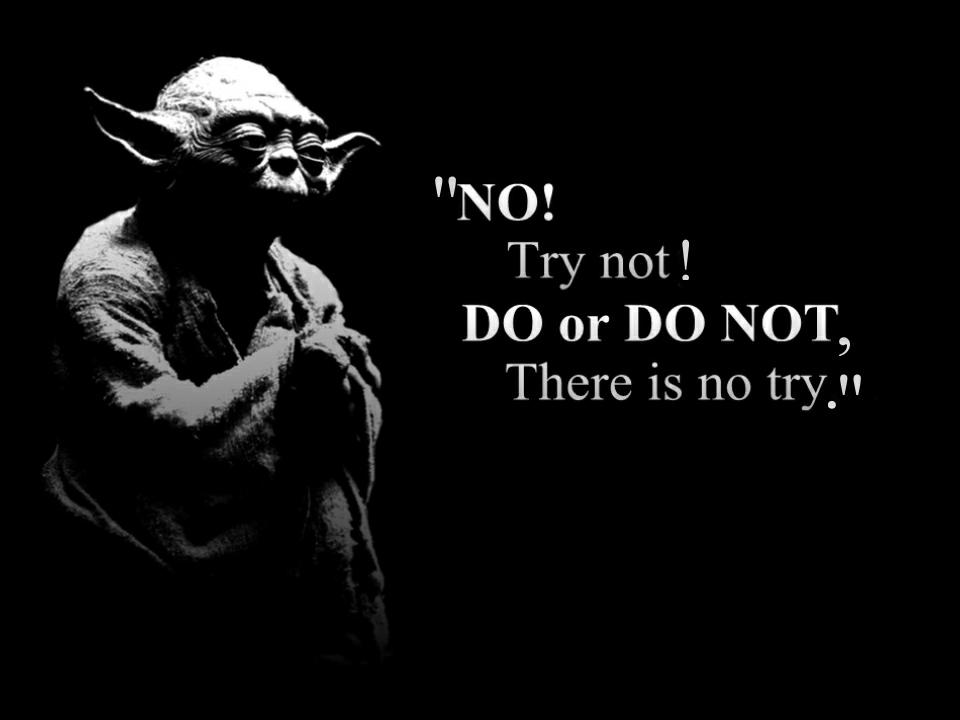
Què en el cas de l'educació ho podríem modificar en: ja que ho has de fer igual, fes-ho lo millor que puguis. Més endavant ja en trauràs profit.
Friday, 14 February 2014
Olimpiada de Biologia de Catalunya

Dissabte 8 de febrer, com ja us anunciàvem en la Newsletter
de la setmana passada, vàrem assistir a l’ Olimpíada de Biologia de Catalunya.
Entre pares, professors acompanyants i alumnes
aspirants es respirava l’emoció de participar. Per a mi va ser una experiència
molt gratificant estar entre els futurs estudiants de carreres biosanitàries.
Especial emoció em va generar veure que alguns es coneixien entre ells d’altres
activitats compartides, com “Bojos per la ciència”.
Em va fer pensar en la importància de participar en
activitats on els alumnes amb els mateixos interessos troben un espai
d’intercanvi d’idees.
Espero que puguem participar en properes edicions!

Member of the Oak House Science department Eulàlia Rovira with our star student, Pepe Amich

Pepe Amich showing off his certificate from the Biology Olympiad with pride.
Wednesday, 12 February 2014
The Last Mile.....! (1.6 kilometers in metric)
Listening to the latest "Naked Scientist" podcast (whilst doing the washing up....yay for podcasts)
the last mile was mentioned.
Now what is this you ask? Is it a sequel to the Green Mile? No, it is all to do with the carbon footprint involved in the transportation of food.

Now we know that the carbon footprint is the amount of carbon dioxide produced in the process of doing something, well where is it the highest in the transportation of food?
Is it the tractor or other farm machinery involved in the production of the food?

Or the great huge trucks that seem to be taking over our roads and parking in the most awkward of places.

I thought this was the biggest culprit, but I was wrong, because it is.......

The family car!! Now how many of us drive to the supermarket to get our weekly groceries or just a few things that we are missing? Well it turns out that this is the most inefficient and heavy carbon producing part of the chain. Hence the idea of the last mile. A typical car is 1.5 tons with a capacity for a 40kg cargo where most of the energy goes into moving the car. Trucks on the other hand are far more efficient, using most of their energy in moving the cargo.
So where does that leave us? How do we get our groceries in a greener way?
Solution.....home delivery!

A big van carrying groceries for a large number of people, far more efficient (and less stress full too).
Another solution of course is that you can live in the centre of Barcelona and are surrounded by supermarkets all within walking distance. And off you can go with your shopping trolley; tiny carbon footprint and a bit of exercise.

And don't forget to try and buy local produce.....for freshness, reduced carbon footprint and to support the local economy!
And now your challenge is this, how will you try and include the phrase "The last mile" into your conversations today?
Friday, 24 January 2014
Programa Joves i Cièncias

This is a program that is run by Fundació Catalunya La
Pedrera that is very well worth entering for. This program runs over three
years and is aimed at 4th ESO students. Students will participate in
Scientific research with Universities both locally and internationally in a
number of different areas.
One of our 2nd Bachillerato students, Pepe
Amich, was lucky to be awarded one of
the 50 places when he was a 4th ESO student. In his first summer
with this program he was working on molecular modeling of a cell receptor
thought to be implicit in a certain type of cancer. The Science he was working
on was cutting edge and the things he learned invaluable. If you thought that
was enough, in his second year he was off to MIT in the United States where he
worked with an eminent scientist in another field. From this work he became a
co-author in a scientific paper published in a top Science journal. From these
experiences (and he still has one more summer to go) many doors have opened for
Pepe, including acceptance on another course “Bojos per la Ciència” and also
acceptance into Harvard where he starts next September. The experience for Pepe
has been invaluable and has just fueled his love for Science.
So if you are a 4th ESO student and love
Science; if you plan to continue your scientific studies in Bachillerato; if
you can see yourself pursuing a career in a field of Science; then you need to
apply for this program!!
When asked, Pepe said the best thing you can do when
applying is to sell yourself and your capabilities. If you want more ideas from
him then find him and ask.
The closing date is the 21st of February.
If you need any help or references, please contact a member of the Science
department.
For more details check out: http://www.jovesiciencia.com/
Tuesday, 10 December 2013
Una hora de codi

I el fet que a la pel·lícula Jocs de Guerra (1982) es poguessin connectar dos ordinadors amb un mòdem em semblava increïble, i només possible per hackers i militars. Els llenguatges de programació eren com un idioma: havies d'aprendre vocabulari i sintaxi, i com escrivíem a màquina, teclejaves amb tots els dits. Ara, gràcies al mòbil, torno a teclejar amb dos dits o fins i tot amb un dit. I programar és fàcil. És tan fàcil que es pot començar molt aviat, i de fet és una prioritat per algunes persones i països. En concret, una iniciativa relacionada amb programació ha estat elevada a proposta a nivell estatal als Estats Units d'Amèrica, i com no pot ser d'una altra forma, ho han fet a lo gran, amb missatge del president inclòs.
El fet és que cada cop hi ha més coses del nostre voltant que depenen de programes informàtics: entreteniment, electrodomèstics, telefonia, ...i tot i això les previsions són que no hi ha prou gent preparant-se per aquests llocs de feia que s'obren, com a mínim als EUA.
 |
| Clica per veure la infografia sencera |
Aquesta iniciativa s'ha anomenat Code Hour, i l'han inclòs en la setmana de les ciències computacionals (del 9 al 15 de desembre) i la idea és que tothom faci una hora de programació. A secundària hi hem contribuït amb unes quantes línies de codi, seguint els tutorials per tots els nivells, i escollint els llenguatges, des d'aquells més formals, com Python, o aquells més visuals, com Scratch.
No és complicat, fins i tot és divertit, i TOTHOM pot fer-ho, només cal començar pel nivell adequat, i continuar jugant fins veure quin és el nivell més alt que es pot assolir ... qui no ha estat una hora amb un joc d'ordinador?
Thursday, 28 November 2013
Gamification o aprendre jugant
A mesura que ens anem fent grans, un dels canvis és que l'educació passa de ser lúdica a ser més formal, en algun moment ens posen exàmens escrits, i més endavant exàmens oficials. Només fa falta veure la diferència que hi ha a les classes dels nens de 3 anys als alumnes de 17, i ja no en parlem dels alumnes universitaris. Des de fa temps que es diu que si es fomenta l'exploració o investigació de l'alumne o s'aconsegueix fer divertida i entretinguda una assignatura, l'alumne aprèn més. Aquesta és una d'aquelles idees que són més fàcil de dir que de portar a la pràctica.
Aquesta idea, que no és nova, ara ha estat rebatejada amb el nom de Gamification, tot i que aquest terme no s'aplica només a l'educació si no a qualsevol aspecte de l'activitat humana, un exemple el tenim en el Foursquare i la seva llista d'insígnies que recorden a les insígnies dels Scouts, en funció de les vegades que 'fitxes' en un lloc, tens un reconeixement o un altre. Una explicació prou completa sobre gamificació la podeu trobar en aquest curs gratuït a Coursera.
Una de les idees és utilitzar els mecanismes que utilitzen els jocs més populars a la xarxa i aplicar-los a l'educació: s'han d'anar posant reptes assolibles i el jugador ha d'aconseguir alguna recompensa o reconeixement, ja sigui passar al proper nivell, alguna cosa que pot utilitar en el joc, una insígnia que pot fer pública, ... Un exemple de com això pot funcionar seria Mathletics. Però hi ha altres opcions més similars a jocs, es tracta de començar amb alguna cosa prou senzilla que expliqui el funcionament del joc, i cada cop que s'introdueixi una cosa nova, posar una pantalla on es pugui provar.
Algunes de les propostes poden semblar només jocs, però a mesura que un va passant nivells, cada cop es fa més necessari haver aprés alguna cosa, tenir més habilitat. Alguns exemples:
Potser voleu intentar complir els requisits de l'Spaghetti Bridge Contest, el material per fer-ho està a l'abast de tothom, hi ha resultats espectaculars.
Per entendre les forces en els pont hi ha vàries opcions, una és simulador West Point Bridge Designer, que permet comprendre molt bé com van els esforços en un pont, però no és prou distret. hi ha altres opcions, com Bridge Craft, on hem de fer ponts per què un simpàtic ... animaló continuï la seva passejada,


Vols aprendre a programar? Cap problema, també hi ha força opcions com ja hem explicat en un altre post. Una de les més interessants per començar és Cargo Bot.
Alguns exercicis de matemàtiques no són prou interessants? Cap problema, afegim-hi uns quants zombies per posar una mica de pressió: Maths vs Zombies
Aquesta idea, que no és nova, ara ha estat rebatejada amb el nom de Gamification, tot i que aquest terme no s'aplica només a l'educació si no a qualsevol aspecte de l'activitat humana, un exemple el tenim en el Foursquare i la seva llista d'insígnies que recorden a les insígnies dels Scouts, en funció de les vegades que 'fitxes' en un lloc, tens un reconeixement o un altre. Una explicació prou completa sobre gamificació la podeu trobar en aquest curs gratuït a Coursera.
Una de les idees és utilitzar els mecanismes que utilitzen els jocs més populars a la xarxa i aplicar-los a l'educació: s'han d'anar posant reptes assolibles i el jugador ha d'aconseguir alguna recompensa o reconeixement, ja sigui passar al proper nivell, alguna cosa que pot utilitar en el joc, una insígnia que pot fer pública, ... Un exemple de com això pot funcionar seria Mathletics. Però hi ha altres opcions més similars a jocs, es tracta de començar amb alguna cosa prou senzilla que expliqui el funcionament del joc, i cada cop que s'introdueixi una cosa nova, posar una pantalla on es pugui provar.
Algunes de les propostes poden semblar només jocs, però a mesura que un va passant nivells, cada cop es fa més necessari haver aprés alguna cosa, tenir més habilitat. Alguns exemples:
Potser voleu intentar complir els requisits de l'Spaghetti Bridge Contest, el material per fer-ho està a l'abast de tothom, hi ha resultats espectaculars.

O com Bridge Constructor per iPad

Vols aprendre a programar? Cap problema, també hi ha força opcions com ja hem explicat en un altre post. Una de les més interessants per començar és Cargo Bot.
Alguns exercicis de matemàtiques no són prou interessants? Cap problema, afegim-hi uns quants zombies per posar una mica de pressió: Maths vs Zombies

Una mica de física? A banda de la saga de l'Angry Birds per estudiar llançaments o gravetats diferents a la terrestre, el Cut the Rope o el Where is my water per conservació de l'energia, podem construir coses, com mecanismes amb el Monster Physics o dissenyar muntanyes russes
 |
| Algunes apps per física |
Einstein és un dels científics més coneguts, i la teoria de la relativitat una de les teories més famoses, i que més joc ha donat a la ciència-ficció, però què passa si vas a la velocitat de la llum? Tens A Slower Speed Of Light on podràs experimentar quins efectes visuals experimentaries anant a velocitats properes a la de la llum.
Monday, 25 November 2013
Programació educativa

Fins fa no gaire la imatge que es tenia d'un programador era més o menys la de la imatge. Fins i tot en anglés hi havia un terme més o menys despectiu per qualificar-los - als programadors i alguns més -, NERD. Amb el temps la imatge ha anat canviant, segurament per què la feina dels programadors cada cop s'ha anat fent més evident i més accessible i els programadors cada cop han anat agafant més popularitat i èxit, fins al punt que no costa gaire saber qui són els tres personatges de la foto.

Tant ha canviat el tema, i tant assequible és la programació, que la imatge del programador que s'està buscant en alguns països, i en alguns sistemes educatius és aquesta:

I hi ha unes quantes eines i aplicacions que tenen per objectiu introduir la programació i la robòtica als més joves, el que segueix és una breu selecció (aquí teniu una llista, tot i que no està ordenada)

En aquesta línia, també trobem CargoBot, una altra aplicació per iPad, on l'objectiu és portar amb el mínim d'instruccions unes capses d'un lloc a un altre. El joc recorda a les Torres de Hanoi, i els reptes són més complicats que en el cas de Daisy, no pel nivell de complicació del llenguatge, si no per què cal pensar una mica més en com fer-ho.

Dins de la immensa oferta educativa oberta que té el MIT, hi ha un parell pensades per l'educació, la primer és l'Scratch, un llenguatge amb el que es poden fer jocs i històries interactives fàcilment, amb una zona social per copmpartir els projectes. El programa és prou versàtil i ha tingut prou èxit com per tenir extensions a la robòtica i al control programable, com són el LEGO We Do i el Scratch for Arduino. L'altre opció, però aquesta per programadors una mica més experts és el App inventor, que permet desenvolupar aplicacions per dispositius mòbils. Aquests són dos exemples de la feina que està fent el MIT per fer l'educació més atractiva. De fet, aquestes dues aplicacions, Scratch i App Inventor, són les que hem estat utilitzant al Enrichment Project de Computing de segon cicle.
Com ja he dit la llista és prou extensa, i hi ha per totes les edats i gustos, des dels més petits en format més lúdic fins als que volen alguna cosa més seriosa a través d'agun curs massiu obert, com els de Coursera o EdX o Udacity
Subscribe to:
Posts (Atom)